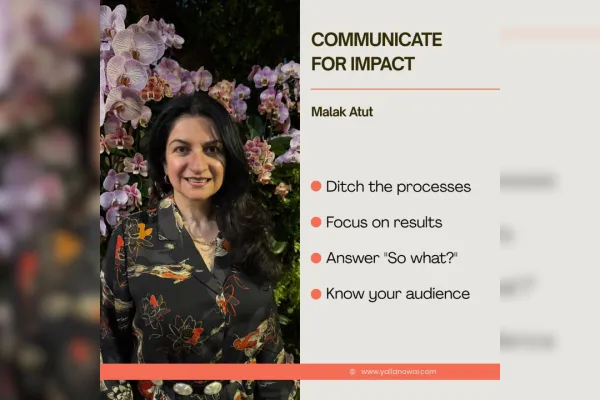
Communicating for Impact, Not Process
Last week, I was on-site with a client working with a group of high-potential managers to deliver a custom program to help them move from process-oriented communication to impact-oriented communication.
C-suite executives don’t care about your process, which steps you took, who you talked to, or how you did the work. They do, however, care about the bottom-line impact on the organization.
A few takeaways on how to communicate for impact:
𝟭. 𝗗𝗶𝘁𝗰𝗵 𝘁𝗵𝗲 𝘀𝘁𝗲𝗽-𝗯𝘆-𝘀𝘁𝗲𝗽 𝗯𝗿𝗲𝗮𝗸𝗱𝗼𝘄𝗻: Stop walking leadership through your daily operations. Executives assume you know how to do your job and won't need a play-by-play of your workflow. Instead, focus on how you'll get them to the final destination.
𝟮. 𝗟𝗲𝗮𝗱 𝘄𝗶𝘁𝗵 𝘁𝗵𝗲 𝗯𝗼𝘁𝘁𝗼𝗺-𝗹𝗶𝗻𝗲 𝗿𝗲𝘀𝘂𝗹𝘁: Frame your work around how it solves a high-stakes problem, drives revenue, or directly advances key organizational goals. Start with the main goal, then back it up with context.
𝟯. 𝗔𝗻𝘀𝘄𝗲𝗿 "𝗦𝗼 𝘄𝗵𝗮𝘁?": Connect your actions directly to the benefit for the C-suite and the business. For instance, if you completed a recent initiative, skip reporting that the task is complete; that adds no value. Rather, explain what that outcome unlocks for the C-suite and the company moving forward.
To get your work noticed at the top, stop describing the workflow and focus the conversation around results, impact, and benefits for those listening.
For organizations, do your high-potential leaders speak the language of impact, or are they still caught up in the process details?

Comments
Be the first to comment.